Distributed
Generation

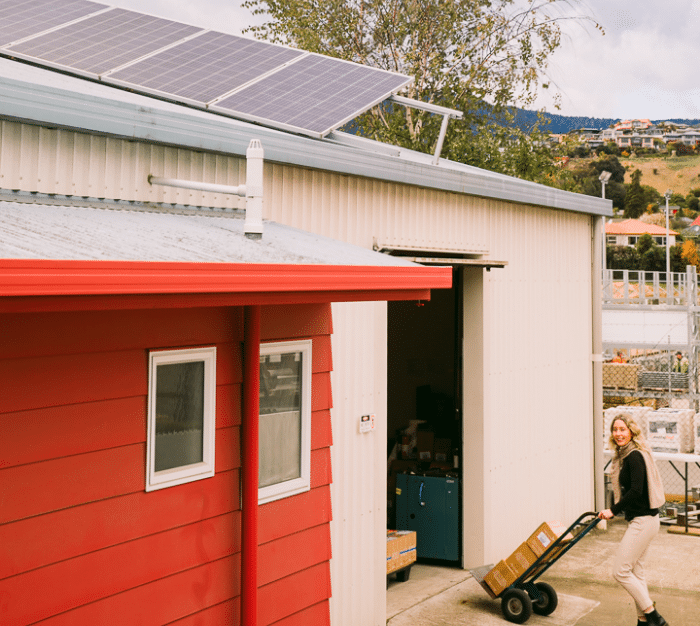
Photo taken by Lumiere 
of Pic's Peanut Butter Solar
Important Update for Solar System Owners
The government has recently increased the allowable voltage range at your connection point (ICP) from 230V ±6% to 230V ±10%. This change came into effect on 13 November 2025 and will be fully implemented over the next year.

What does this mean for you?

If your inverter settings have not been updated to match the new voltage standards, when voltages are increased around the network, your solar system may begin to reduce its output. Voltages will start increasing from 18 May 2026. A six month period has been allowed for adjustments to inverter voltage responses to be undertaken.
Why is this important?
The increased voltage limits allow the network to host more distributed generation capacity, meaning more solar systems can operate efficiently without causing voltage issues.
Existing inverter settings are designed to constrain export whenever voltage exceeds 230V +6%. With the higher voltage limits in effect, it is likely that voltages will regularly exceed this threshold. If your inverter settings are not updated, your system may frequently reduce or completely cease producing power.
If you currently have an export constraint applied to your system, the new voltage limits may allow us to increase that limit. However, you will need to apply for this change through the normal application process after 18 May 2026.
What should you do?
Contact the company that installed your solar system, prior to 18 May 2026, and ask them to update your inverter settings to the latest recommended configuration (AS4777.2:2020 “Australia A” or updated “New Zealand” settings). This will ensure your system operates efficiently and avoids unnecessary reductions in your systems output.
electricity generation

Installing and Connecting Distributed Generation to Network Tasman's Electricity Network

Distributed Generation means using equipment for generating electricity at a home or business which is connected to an electricity distribution network (i.e. Network Tasman's electricity network) that is capable of injecting electricity back into that network. Examples of distributed generation include; solar (photovoltaic), wind, diesel generator, fossil fuel, hydro and battery.

Installing distributed generation can be complex and each situation is different. If you intend to purchase and install a distributed generation plant at your home or business, we recommend you involve us in the process as early as possible before you purchase the plant.

There are a number of regulations that apply to distributed generation. It is important that you are fully aware of what is required before you invest in any plant.
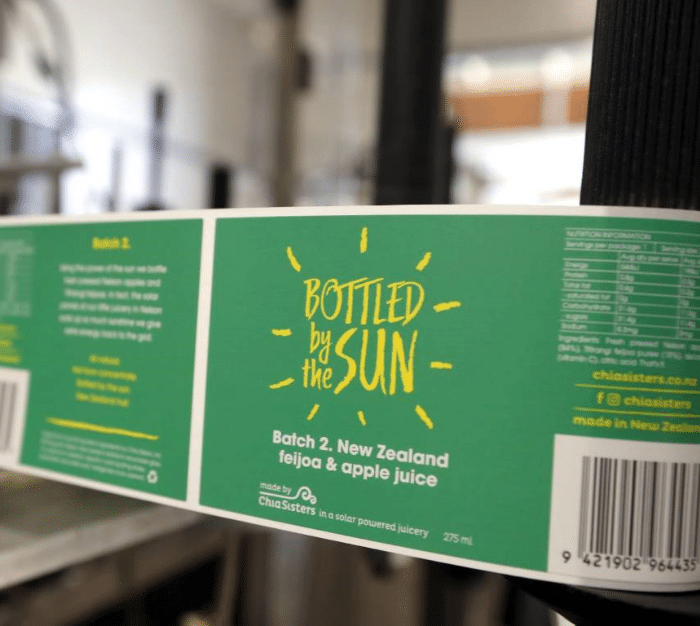
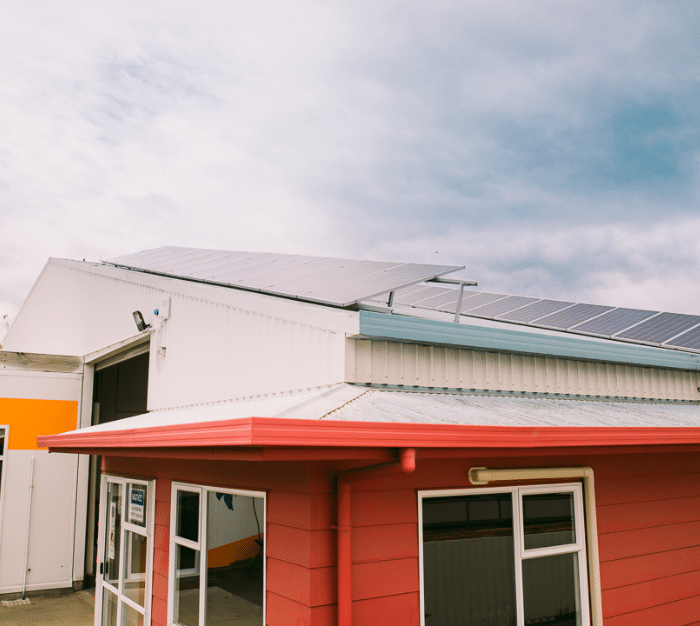
Photos of Chia Sisters; New Zealand's first solar-powered juicery
electricity generation

Conditions for Connection

Distributed generation must meet all relevant statutory and regulatory requirements and comply with all applicable safety standards. Network Tasman's policies and procedures for the application for, installation and connection of Distributed Generation are in accordance with the requirements of 
The Regulated Terms specified in Part 6 of the code will apply to the majority of distributed generation connections (once approved and completed). However, Network Tasman and the distributed generator may enter into a connection contract at any time and these contract terms shall take precedence. If contracted terms cannot be negotiated and agreed within 30 days following notice to Network Tasman of the intent to form a contract then the Regulated Terms shall apply. Any changes to contracted terms shall be by mutual agreement.

Network Development Levy - If the proposed generation is likely to lead to future network congestion, the generator may be required to pay a Network Development Levy to contribute to the cost of network reinforcements.

Conditions for Connection

The connection conditions and  distribution code detail the 
technical requirements and conditions that all generation plant connected to Network Tasman's distribution network must comply with.
Distributed generation

Congestion Management

With the continued growth in distributed generation, significant amounts of energy can be exported into the network particularly in the summer when people may be at work or away from home.

The growth in the amount of exported energy has the potential to create reverse power flows and congestion on our network. One possible consequence of this is higher than standard voltage, which can damage consumers' appliances and equipment. To limit the effect of this, all inverters are required to have an overvoltage shutdown facility and this is currently to be set at 248V.

In some instances, events on Transpower's national transmission grid may restrict distributed generation.
Distributed generation

Battery Energy Storage System Grid based charging

In order to avoid network congestion at peak load times due to battery charging and network congestion following outages due to battery charging, Network Tasman has developed a domestic battery energy storage system policy. All battery inverter systems and solar battery hybrid systems are required to comply with this policy as a condition of connection to the network.

Click on the button below to view the document:
Battery Policy Document
Distributed Generation

Export Congestion

At present, our network is accommodating distributed generation without congestion in most areas. There are some areas however that have reached their capacity for hosting solar generation.

No further distributed generation can be accommodated in these areas without export to grid restrictions or network upgrades. Installers considering adding solar generation in these areas should contact Network Tasman before making any offers to their customers.

We will notify you if we think your distributed generation is likely to cause congestion.
Location Substation Number/Circuit Comments
Arthur Vista, Atawhai Substation WB30 All of Arthur Vista
Bayview Road, Atawhai Substation WB30 Number 63 to 106 inclusive
Bronte Road East, Upper Moutere Substation M197 Numbers 71 to 112 inclusive
Cardno Way, Upper Moutere Substation M197 All of Cardno Way
Carlyon Road, Upper Moutere Substation UM29 Numbers 40 to 48 inclusive
Commodore Place, Britannia Heights Substation T96 All of Commodore Place
Crown Terrace, Britannia Heights Substation T96 All of Crown Terrace
Dawson Road, Mapua Substation MUA72 Numbers 53 to 104 inclusive
Dunair Way, Britannia Heights Substation T96 All of Dunair Way
Edward Street, Wakefield Substation BW106 Numbers 173, 177 and 142 to 154 inclusive
Faraday Rise, Richmond Substation R152 Numbers 7 to 14 inclusive
Fellbridge Rise, Wakefield Substation BW106 Numbers 15 to 28 inclusive
Franklin Street, Marahau Substation KM68, Circuit 2B Numbers 8, 9 ,10, 12, 14, 16 and 20
Glen Road, Glenduan Substation W106 Numbers 72, 74, 106A, 106B and 108
Gossey Drive North, Wakefield Substation BW106 Numbers 2 to 20 inclusive
Grant Road, Puramahoi Substation GB295 Number 15, 16 and 22
Harley Road, Tasman Substation TAN100 Numbers 218 to 284 inclusive
Harriet Court, Richmond Substation R230, Circuit 23 All odd-numbered properties from numbers 3 to 17 inclusive
Heemskerck Place, Britannia Heights Substation T98, Circuit 3 All of Heemskerck Place excluding numbers 2, 4, 6, 8 and 10
Hoddy Road, Redwood Valley Substation M182 Numbers 59, 73, 76, 77, 78, 80 and 82
Horizon Way, Brooklyn Substation BLN60 Number 94
Istana Place, Britannia Heights Substation T96 All of Istana Place
Kilkenny Place, Wakefield Substation EQ77 Numbers 128 to 148 inclusive
Korua Road, Atawhai Substation W123, Circuit 10 Numbers 1 to 18 inclusive
Lighthouse View, Atawhai Substation WB30 All of Lighthouse View
Little Sydney Road, Brooklyn Substation BLN60 Numbers 78 to 78C inclusive
Main Road Hope, Hope Substation BA1, Southern LV Circuit Numbers 226 to 270 inclusive
Motueka River West Bank Road, Brooklyn Substation SH26 Numbers 146A to 150 inclusive
Ngawhatu Road, Stoke Substation S148, Circuit 3 Numbers 36 to 66 inclusive
Old Coach Road, Mahana Substation MC10 Numbers 47 to 191 inclusive
Old Coach Road, Mahana Substation MC25 Numbers 442 to 490 inclusive
Old Coach Road, Mahana Substation MC28 Numbers 275 and 276
Onekaka Iron Works Road, Onekaka Substation GB878 Numbers 14 and 40 inclusive
Petra Way, Upper Moutere Substation MC30 Numbers 17 to 82 inclusive
Princes Drive, Britannia Heights Substation T96 Numbers 349 to 379 inclusive
Pomona Road, Ruby Bay Substation TAN51 Numbers 206 to 310 inclusive
Redvale Road, Redwood Valley Substation M187, Circuit 6 Numbers 103 and 107 to 113 inclusive
Redwood Valley Road, Redwood Valley Substation MR35 Numbers 320 to 337 inclusive and number 343
Research Orchard Road, Appleby Substation M192 Numbers 30 to 44 inclusive
Sandy Bay-Marahau Road, Marahau Substation KM68, Circuit 2B Numbers 213 to 231 inclusive
Stringer Road, Redwood Valley Substation M218 Numbers 230 and 259 inclusive
Sunset Place, Atawhai Substation WB30 All of Sunset Place
Tahi Street, Mapua Substation MUA14 Numbers 31 and 56 inclusive
Takaka-Collingwood Highway, Puramahoi Substation GB295 Numbers 603 to 731 inclusive
Todd Bush Road, Wakapuaka Substation W111 Numbers 28A, 28D, 28E and 28F
Totara View Road, Wakefield Substation EQ59, Circuit 2 Numbers 14A, 14B,16A, 98A, 98B, 98C and 98D
Upper Rocklands Road, Clifton Substation GB691 Numbers 11, 12, 27, 47, 49, 66 and 67
Valhalla Close, Richmond Substation R162, Circuit 4A All of Valhalla Close
Valhalla Drive, Richmond Substation R162, Circuit 4A Numbers 19 to 45 inclusive
Wakapuaka Road, Wakapuaka Substation W111 Numbers 12, 12A, 12B and 12C
Wakapuaka Road, Wakapuaka Substation WB30 Numbers 63 to 106 inclusive
Wakefield-Kohatu Highway, Wakefield Substation WB30 Numbers 14 to 29 inclusive
Werneth Ridge, Atawhai Substation W120 Numbers 1 to 14 inclusive
Werneth Street, Atawhai Substation W120 Numbers 24 to 36 inclusive
Westdale Road, Redwood Valley Substation M212, Circuit 1 Numbers 103, 17D, 17E, 19 and 19A to 19D inclusive
Windsor Drive, Britannia Heights Substation T96 All of Windsor Drive
Zeehaen Place, Britannia Heights Substation T98, Circuit 3 Number 1
Distributed generation

Apply to Connect to our Network

DG with a capacity of 10 kilowatts or less

The following information applies to customers to generate their own electricity on site via a small-scale generator (10 kilowatts or less) which is, or can be, connected to Network Tasman's electricity network.

DG with a capacity greater than 10 kilowatts

The following information applies to electricity generation with a large capacity (greater than 10 kilowatts) which is, or can be, connected to Network Tasman's electricity network.
network tasman

Have a Query about Distributed Generation?

If you are calling about an interruption to your power supply or a fault, please call
the toll free number (0800 508 100) for our 24hr Fault Response Line
Copyright © 2021 – 2025 Network Tasman
magnifiercrossmenucross-circle